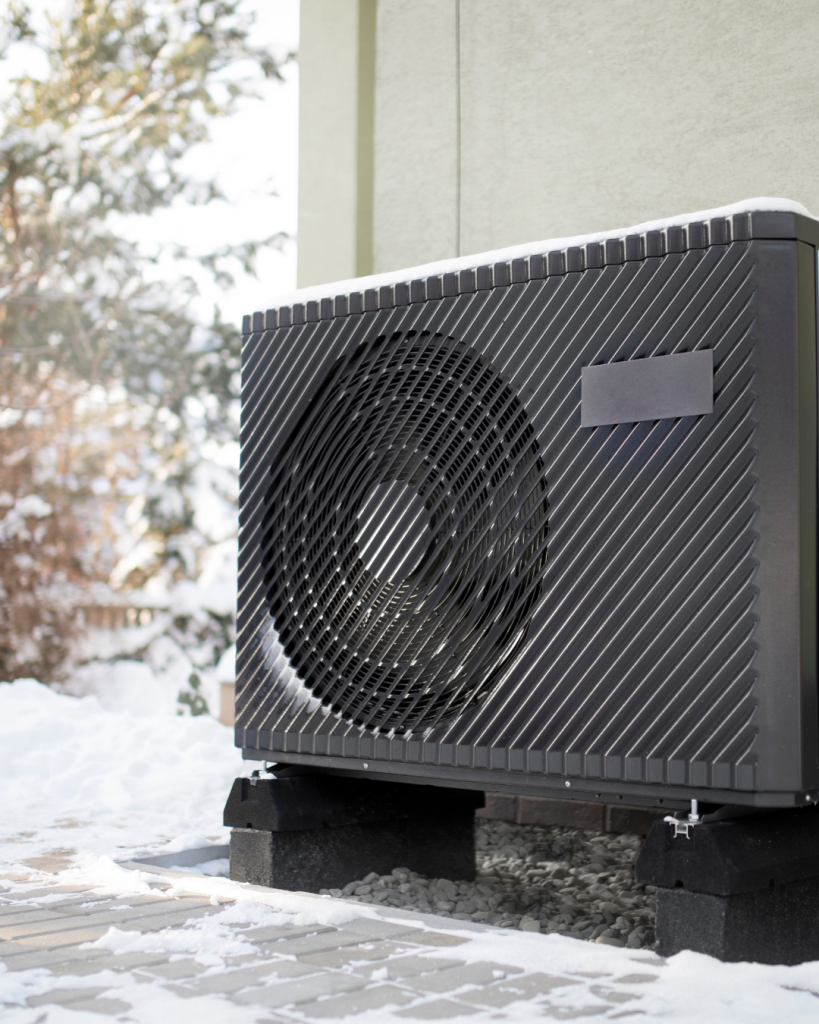

As the name suggests, water heaters are equipment that will raise water temperature. Water heaters come in many shapes and sizes but can be characterized by storage and energy sources. Storage methods are tank or tankless; the energy source is electricity or fossil fuels. Tank water heaters, also called “storage” type water heaters, hold a set volume of water that is heated through prolonged contact with the internal heating components. Tankless, or “instant,” water heaters use a much higher energy input to heat the water to the desired temperature as it flows to the fixture.
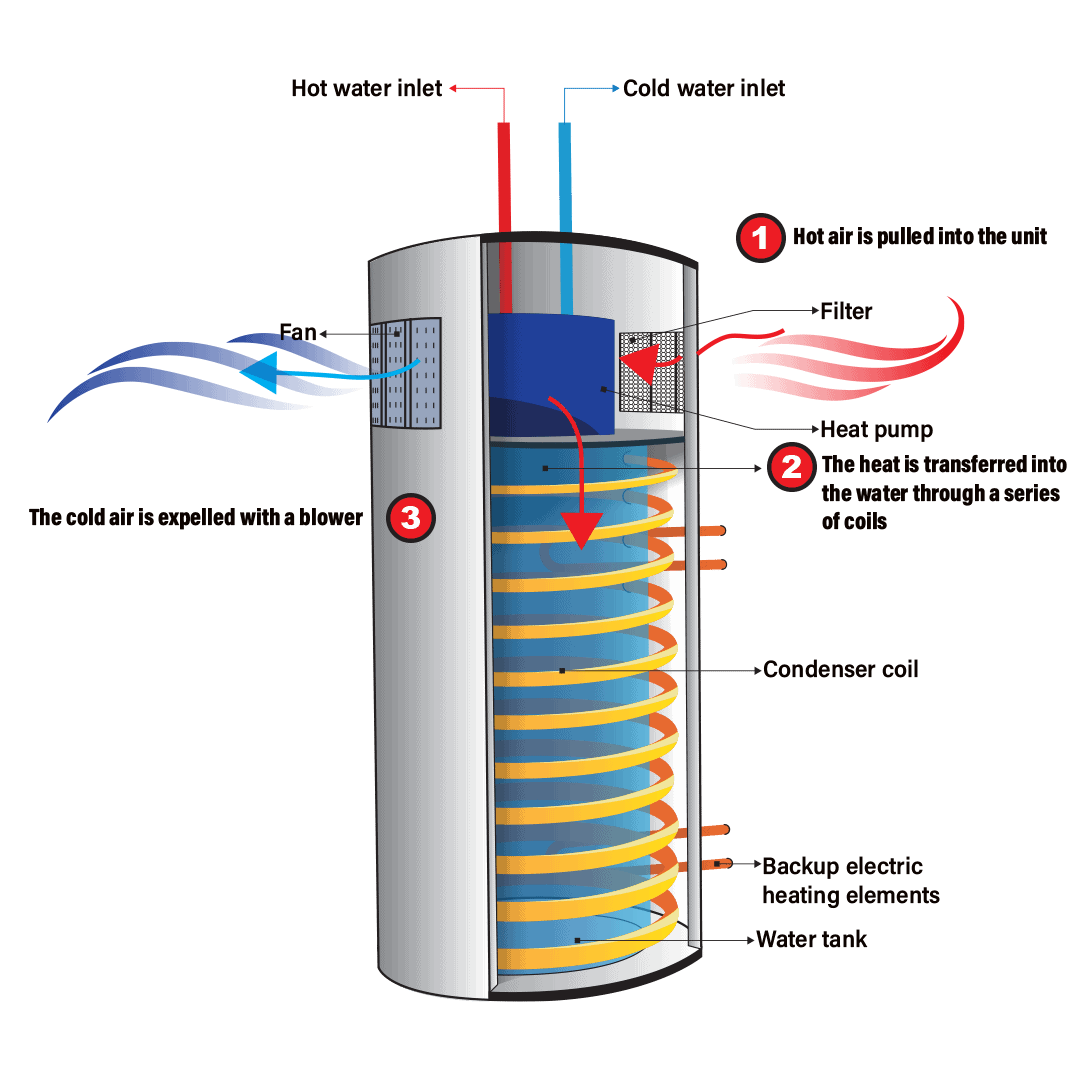
There are two main ways to use electricity to heat water, one being electric resistance and the other by using the electricity to run a heat-pump refrigerant cycle. Electric resistance-style heating elements are simple and have no moving parts, but the energy output is equal to the energy consumed by the coil. Although heat-pump water heaters also use electricity to operate, they “move” heat instead of “creating” it. This process is a more efficient way of heating water, allowing heat pump water heaters to be up to 410% more efficient than an equivalent resistance style.
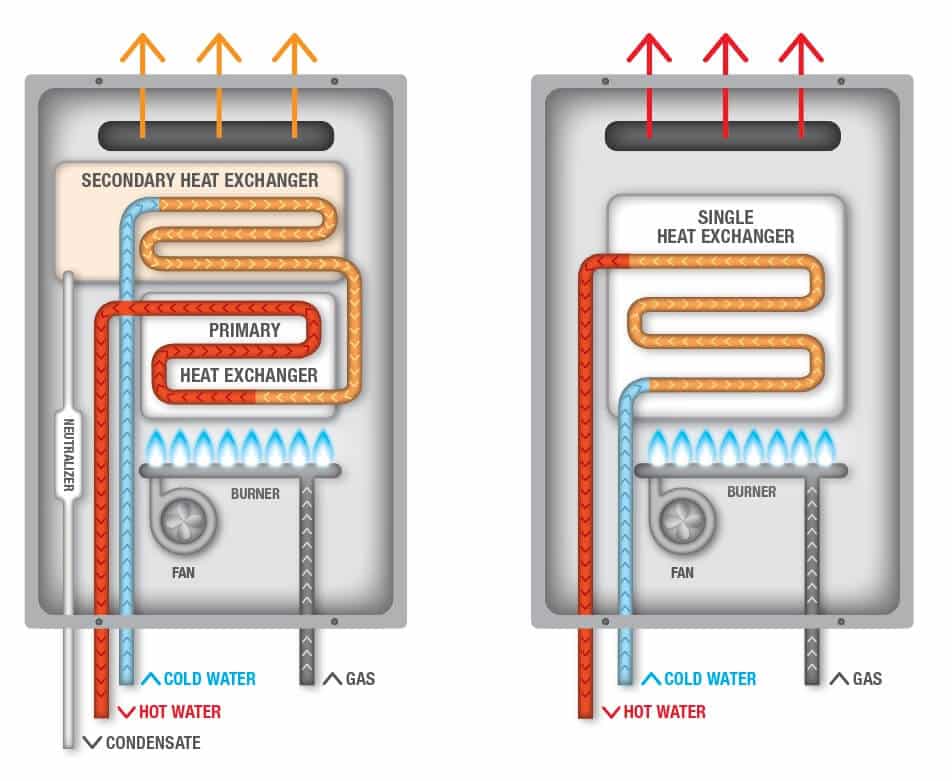
Water heaters that use fossil fuels as the energy source are usually referred to as gas water heaters. The options for source types are most commonly natural gas or propane. Natural gas is the fossil fuel utility most often offered by service providers, while propane is usually shipped and stored in tanks on-site. Although most gas water heaters are similar, the most noticeable difference is between condensing and non-condensing style burners.
When gas-fired equipment burns fuel, it doesn’t use 100% of the energy released from combustion, resulting in a mixture of unburnt fuel and water vapor. If cooled enough, the flue gases can condense on the flue vent piping, leading to corrosion. Hence, manufacturers reserve approximately 20% of the energy released to keep the flue gas temperatures high enough to prevent condensation. More modern gas-fired water heaters will utilize the condensation to put more energy into the water instead of keeping the flue vent gases hot, resulting in efficiencies up to 98%. The corrosive condensate produced by this process is handled by using resilient metals for the heat exchanger and acid-neutralization kits to ensure the condensation produced is safe for sanitary lines and treatment plants.
Tank-Type Water Heaters
Pros
- Lower instant power consumption to satisfy the hot water demand
- Fewer components
- Less expensive to purchase and maintain
Cons
- Larger footprint
- Heavy when filled
- Thermal energy loss over time
- Less flexible installation options
Tankless Water Heaters
Pros
- Smaller footprint
- When sized correctly, provides the user with a constant supply of heated water all year round
- Less heat loss
Cons
- Larger energy input
- Contains more complicated controls and safeties
- More expensive to purchase
Electric Resistance Water Heaters
Pros
- Ease of installation (no flues required)
- Simple/reliable operation
Cons
- Can require electrical service upsizing
- Power input depends on voltage availability
Heat Pump Water Heaters
Pros
- Highest efficiency
- Provides cooling in the summer by extracting heat from the room
Cons
- New technology
- Highest equipment first cost
- More maintenance
- Takes energy away from the room, requiring the heating system to compensate in the winter
Gas-Fired Water Heaters
Pros
- Higher energy density of fossil fuels means smaller pipes are required
- Provides large volumes of heated water independent from what electrical service is available
Cons
- Requires combustion air to operate
- Requires flue vent piping
- Products of combustion are released near the building, lowering the air quality of the surrounding area