
Innovating the Future: NREL’s New State-of-the-Art Control Facility at the Flatirons Campus
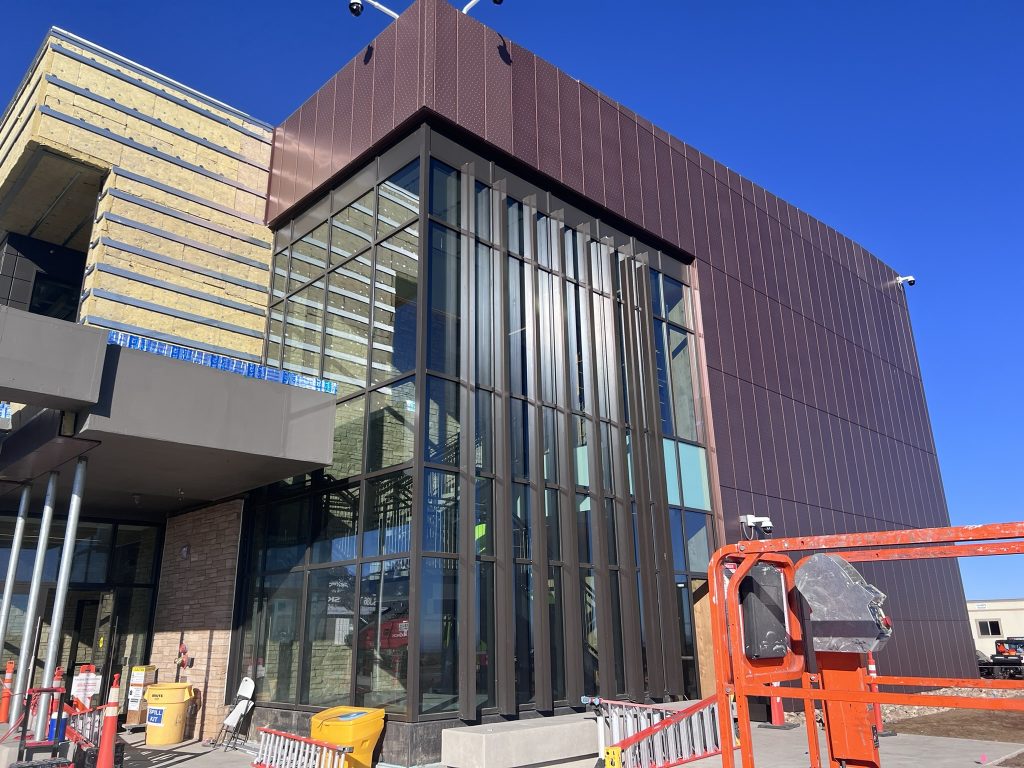
The National Renewable Energy Laboratory (NREL) is a leading research facility on clean energy and alternative fuel sources. This year, the Flatirons Campus and Wind Facility are completing their first ground-up building construction in several years, led by the HDR team. The new state-of-the-art building will act as the central control facility for all research efforts on the Flatirons Campus. Modernized building construction requires a modernized mechanical and plumbing system to complement the building design. During the early phases of design, five (5) different mechanical systems were considered, with a wide range of factors including ease of maintenance, energy efficiency, and utilization of heating and cooling utilities. Ultimately, after energy modeling, lead time considerations, and cost considerations, NREL opted to proceed with the first Variable Refrigerant Flow (VRF) mechanical system on their Flatirons Campus. The VRF system includes a packaged heat pump Dedicated Outdoor Air Unit (DOAS) with a heat recovery wheel for low-energy preconditioning of the building. The DOAS provides ventilation air to each indoor fan coil unit, easily complying with code requirements for the varied room types within the building. The building hosts conference spaces, electronics labs, a data center, and general office space. The control facility was optimized to maximize floor space, presenting the unique challenges of configuring mechanical and plumbing systems in the limited plenum space. The team utilized REVIT during design to model systems beyond the 2D of CAD and capture any constructability conflicts early on. The building is nearing the end of construction and the final stages of mechanical commissioning, with an occupancy slated for April. The unique mechanical and plumbing integration of exposed versus concealed aspects balances with the architectural aesthetics to create a truly beautiful building that is both pretty to look at and functions as a high-tech research facility. It’s great when these two design objectives find a way to cooperate!
Types of Commercial Water Heaters: Feel the Heat this Valentine’s Day
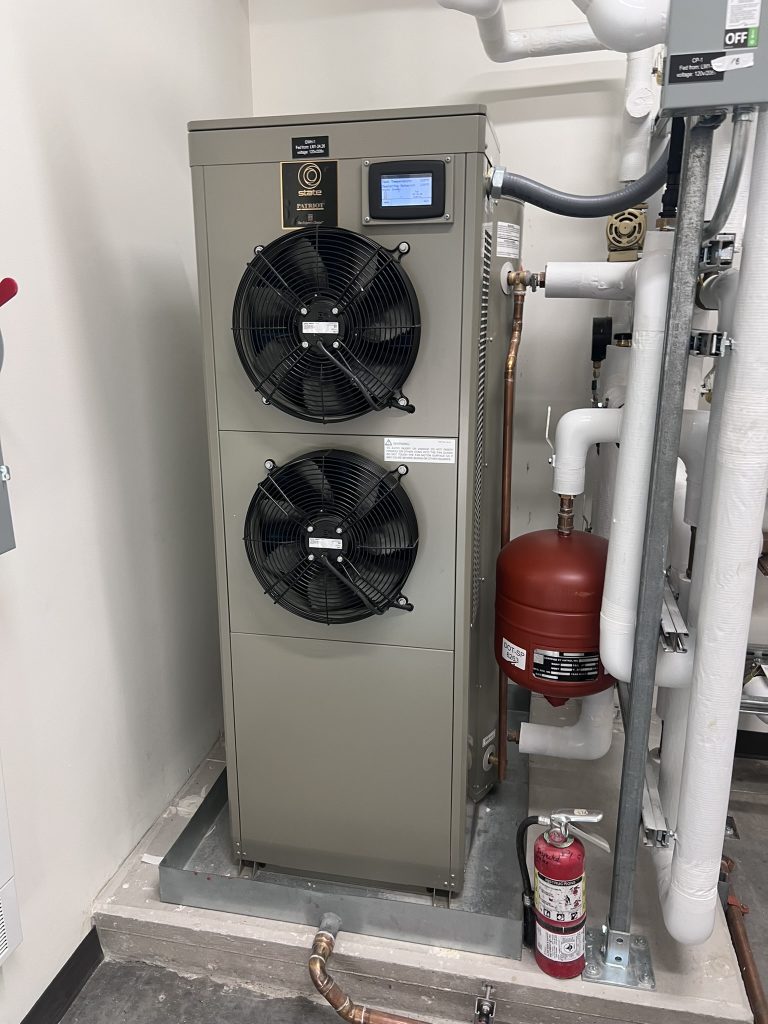
When it comes to commercial water heaters, building owners and tenants have several options to choose from, each with its own set of advantages and disadvantages. As plumbing engineers, we know that understanding these options is crucial for recommending the best solutions to our clients. In this blog post, we’ll explore the different types of commercial water heaters, including electric resistance, heat pump, gas-fired, and the differences between tankless and storage tank types. We’ll also touch on the Denver Energy Code changes and restrictions related to service water heating. Our goal is to help everyone “feel the heat” this Valentine’s Day! Tankless vs. Storage Tank Water Heaters Another significant decision to face is choosing between tankless and storage tank water heaters. Each type has its own set of benefits and drawbacks. Denver Energy Code Restrictions The Denver Energy Code has specific restrictions on the types of water heaters that can be installed in new and existing commercial buildings. As of March 1, 2023, the code requires partial electrification for all existing commercial and multifamily buildings when replacing gas-fired space and water heating equipment. This means that gas-fired water heaters are being phased out in favor of more energy-efficient options like electric heat pump water heaters. For commercial buildings, the Denver Energy Code also encourages the use of electric heat pump water heaters and restricts the installation of new gas-fired water heaters. These changes are part of Denver’s broader efforts to reduce carbon emissions and promote sustainable building practices. Valentine’s Day Jokes And because you asked for it, here are some Valentine-themed jokes to help everyone feel the heat (or maybe just make us plumbing engineers chuckle): Conclusion Choosing the right water heater for a commercial building involves considering various factors, including energy efficiency, operating costs, and installation requirements. Electric resistance, heat pump, gas-fired, storage, and tankless water heaters each have their own advantages and disadvantages. Understanding these options and the local energy code restrictions can help businesses make informed decisions. Whether you’re a business owner, plumber, or engineer, understanding the intricacies of water heaters is key to ensuring a comfortable working environment—just like keeping the warmth alive in your Valentine’s heart!
New Year, New Refrigerants: Updates on the Refrigerant Phase-out
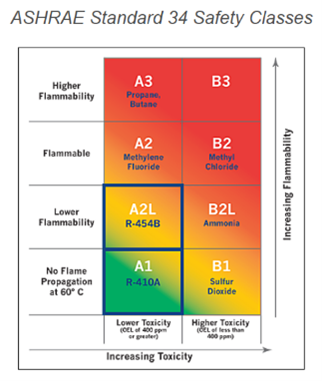
The new year has come and passed and 2025 is in full swing! This also means the next stage of the HFC refrigerant phase-out is here, so let’s review what that means for us architects, engineers, and contractors. The American Innovation and Manufacturing (AIM) Act, passed in 2020, gives the Environmental Protection Agency (EPA) the authority to regulate and phase down the production and use of hydrofluorocarbon (HFC) refrigerants. HFCs are known greenhouse gases, most of which are rated with a global warming potential (GWP) several thousand times that of carbon dioxide (which is the baseline of the scale, with a GWP of 1). The EPA has thus banned HFCs by setting limits to the allowable GWP of refrigerants manufactured or imported for use in the U.S. To Implement this ban, the EPA has implemented phase-out dates for the manufacturing and installation of different types of HVAC equipment, see below: This means that the DX and Heat Pump equipment that we select and specify on our projects (other than VRF) can no longer be manufactured or imported with R-410A refrigerant. Going forward we must design and specify DX and Heat Pump equipment with refrigerants that meet the GWP limitations set by the EPA, which will mostly be R-454B and R-32 in our industry. With the shift to the newest refrigerants, one of our biggest restrictions as the selecting and specifying engineers over the past several months has been the ability to actually select the equipment with the new refrigerants and attain the refrigerant charges, equipment capacities, and efficiency ratings. Over the last month, a majority of manufacturers have confirmed the availability to select equipment with the new refrigerants, which allows us to finalize equipment selections and calculations. While there are still some minor restrictions in the availability of equipment specifics as the manufacturers continue to get the new equipment tested, the major equipment information is mostly available to move forward with selections. In summary, the new refrigerant changes are upon us and will require additional calculations and coordination for DX systems that should be considered for projects in various stages of design and construction. The equipment manufacturers have made big strides to provide us, as the engineers, the information we need to get equipment selections, but there may be some minor lagging information we may need to wait for confirmation on. Overall, 360 Engineering is excited to move away from the limbo between two refrigerant types and start moving toward a more sustainable future.
360’s Favorite Holiday Sweet Treats (Recipes Included)

While we love sharing our projects and technical knowledge throughout the year, we thought mixing it up this month and sharing some of our staff’s favorite holiday treats would be fun. We hope you enjoy these recipes and stories as much as we do. Maybe you’ll even have an opportunity to make some of these tasty treats over the holidays. If so, let us know; we’d love to hear about it! Click to view the recipe book: We look forward to working with you in 2025!
NPS Ozark Big Spring – Mechanical Coordination in Tight Spaces
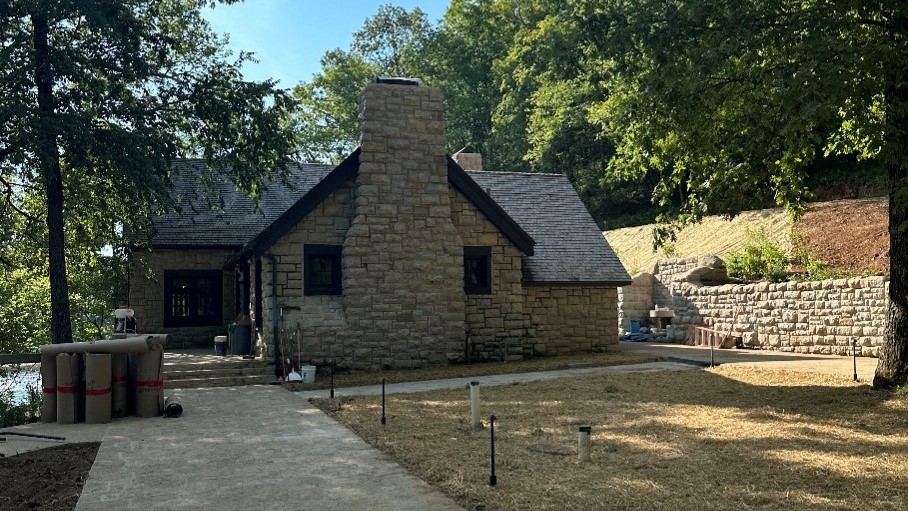
The National Park Service was looking to renovate its existing Lodge building and cabins at the Ozark National Scenic Riverway Big Spring site in Missouri. The site includes thirteen (13) rentable cabin buildings, a concessioner’s house, a laundry building, a museum building, and the riverfront lodge. The area had experienced historical flooding in 2015 where the lodge itself was in 10’ of water on the main level photographed above. This flooding closed the park site, and all the buildings sat dormant until this project was initiated. The lodge experienced the worst damage, and all systems required full replacement. The other buildings onsite were lucky to be higher on the hillside and were not flooded. The lodge building provides spaces for park users and guests to congregate and eat meals and serves as a launch point on the river, where there is newly built dock access. This lodge is also outfitted with a commercial kitchen for the concessioner to provide meals for the guests. Close Coordination & Minimizing Mechanical Space Needs Missouri experiences high humidity, so the mechanical systems were designed with full dehumidification in mind. The existing systems serving the lodge were non-existent; there was no heating or cooling serving the building previously. This required new mechanical space to be created outside to account for these cooling and heating needs. These new outdoor systems serving the lodge are two heat pump condensing units and a makeup air unit for the kitchen. Makeup Air Unit at the Kitchen The makeup air unit was a tight fit, but we were able to work with the existing area on the side of the lodge. The two new heat pump condensing units, however, were going to require a new mechanical yard to be formed. This lodge is a historical structure, so everything needs to be done to maintain the current aesthetics. We took extensive care to minimize the mechanical yard footprint and position it to hide mechanical equipment from the general public’s view. Mechanical Yard Behind the Lodge Ultimately, the mechanical space created was the ideal size and location to leave the least impact on the site while still providing complete heating, cooling, and dehumidification to what was formerly a hot, cold, and stuffy building. Air Handling Units Above the Ceiling We had new heat pump air handling units installed above the ceiling inside the building. These units were about as large as you could fit within these existing ceiling cavities, but through close coordination with our structural engineer and architect, we developed solutions to make these units semi-removable for ease of replacement at the end of their life and provide ideal access for ease of serviceability during their operational lifespan.
Maximizing Energy Efficiency with Air and Water-Side Economizers This Fall
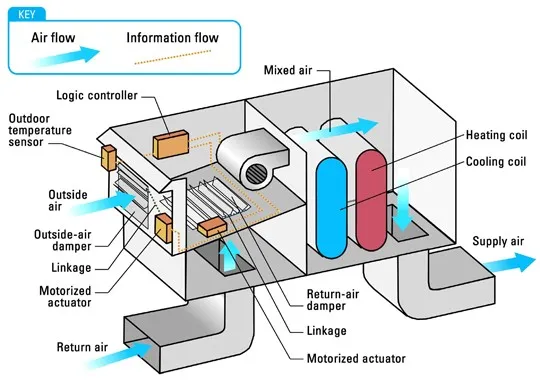
It’s that time of year again – the season of pumpkin spice everything, football games filling our weekends, and a prime opportunity to save on energy costs using air and water-side economizers. As temperatures drop during cool fall mornings (typically between 45-55°F), facilities have an excellent chance to leverage natural cooling to reduce mechanical refrigeration needs. Implementing and maintaining these economizer systems can result in substantial energy savings while also extending the life of HVAC equipment. Let’s dive into how economizers work and explore additional tips to optimize them this season. Understanding Air-Side Economizers Air-side economizers take advantage of the cool outside air to provide free cooling for buildings, significantly cutting down on the use of traditional air conditioning. When outside air temperatures are lower than the desired indoor temperature, air-side economizers allow fresh air to be brought in, mixed with the return air, and circulated throughout the building, reducing the need for mechanical cooling. Here are a few maintenance tasks and checks to ensure your air-side economizer operates at peak performance: Leveraging Water-Side Economizers Water-side economizers provide another energy-saving opportunity, especially for facilities equipped with cooling towers. As outside temperatures drop, cooling towers can cool water to lower temperatures without the need to operate chillers. Water-side economizers typically work by using the cooling tower water to precool the chilled water supply or to bypass the chiller altogether under the right conditions. To maximize the benefits of water-side economizers, keep these tips in mind: Additional Tips for Optimizing Economizer Performance Fall is an ideal time to optimize your economizer systems, taking advantage of cooler temperatures to reduce reliance on mechanical cooling and save energy. Whether you are using air-side or water-side economizers, regular maintenance, proper control setup, and monitoring can make a substantial difference in energy efficiency. By following these tips, you can ensure your economizers are operating at peak performance.
Understanding the Differences Between VRF and Split Systems
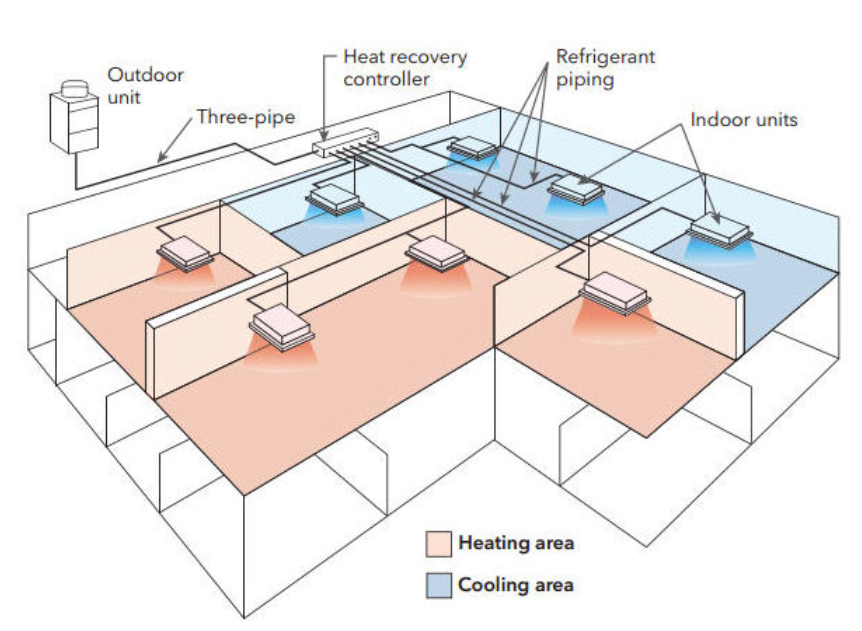
When it comes to heating, ventilation, and air conditioning (HVAC), two popular options are Variable Refrigerant Flow (VRF) systems and traditional split systems. While both effectively control indoor climates, they differ significantly in design, functionality, and applications. What is a Split System? A split system consists of two main components: an indoor unit and an outdoor unit. The outdoor unit houses the compressor and condenser, while the indoor unit contains the evaporator coil. These units are connected by refrigerant lines, allowing for heat exchange. Key Features of Split Systems: Simplicity: Split systems are relatively straightforward in design, making installation easier and generally less expensive. Zoning Limitations: Each indoor unit operates independently, but typically, you can only cool or heat one area at a time per system, limiting zoning capabilities. Cost-Effectiveness: They are generally more affordable upfront compared to VRF systems, making them a popular choice for smaller homes or individual spaces. Maintenance: Maintenance is usually more straightforward, with fewer complex components and simpler servicing. What is a VRF System? Variable Refrigerant Flow (VRF) systems are a more advanced HVAC technology designed to provide precise temperature control and energy efficiency. VRF systems utilize a single outdoor unit connected to multiple indoor units, allowing for individualized climate control in different areas. Key Features of VRF Systems: Quiet Operation: These systems tend to operate more quietly than traditional systems, enhancing indoor comfort. Energy Efficiency: VRF systems adjust the flow of refrigerant based on each space’s heating and cooling needs, resulting in significant energy savings. Zoning Flexibility: With the ability to connect multiple indoor units, VRF systems can effectively provide heating and cooling in different zones simultaneously, offering tailored comfort. Advanced Controls: VRF systems often have sophisticated control options, allowing for remote management and monitoring of each indoor unit. They Sound Pretty Similar, so What Are the Differences? 1. Design and Configuration 2. Energy Efficiency 3. Cost 4. Installation and Maintenance 5. Application Suitability Conclusion Choosing between a VRF system and a split system ultimately depends on your specific needs, budget, and the scale of your HVAC requirements. Split systems are excellent for smaller spaces where simplicity and cost-effectiveness are priorities. In contrast, VRF systems shine in larger, more complex environments that demand energy efficiency and precise control. Whether you opt for a split system or a VRF system, both can contribute significantly to your indoor comfort when appropriately selected and installed.
Sustainability Meets a New Era of Learning: Welcome to DPS RASA
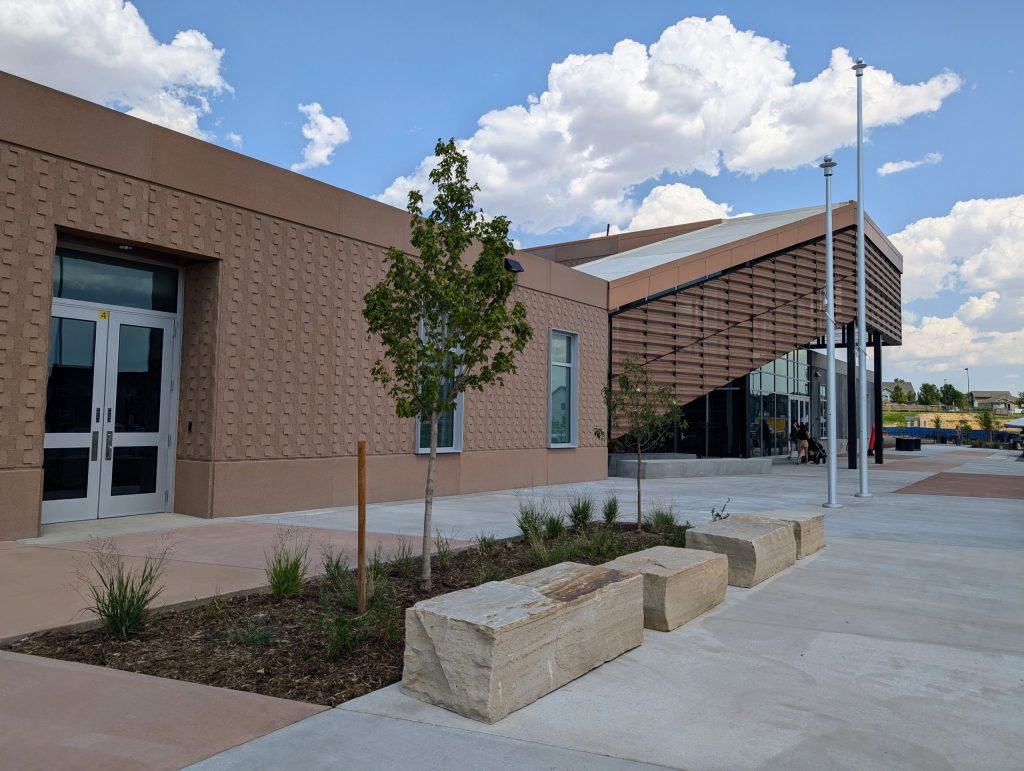
New School Year, New School Denver Public Schools (DPS) pushed the design envelope with this over 60,000-square-foot ground-up new school. The current design houses grades ECE through 5th grade with a future Phase 2 expansion to bring it up through 8th grade and just shy of 80,000 square feet. Phase 1 was designed with Phase 2 in mind, from mechanical loads and water heater capacity down to sanitary sewer piping depth. As the architect, DLR Group led the design team in which 360 Engineering provided mechanical and plumbing engineering and consulting. Responsive Arts & STEAM Academy FNE (RASA) hosted its ribbon-cutting ceremony on Friday, August 2, 2024, just in time for the new school year! The RASA approach is built on a culturally sustaining, community-responsive foundation that respects all learners. It aims to foster a lifelong love of learning through creative and critical thinking, project-based learning, and the discovery of students’ talents. The model emphasizes the Arts as essential to learning, integrating them across subjects to promote higher-order thinking. Historically, students in Far Northeast Denver have lacked access to robust arts education, but RASA seeks to change this by valuing emotional education alongside logic and reasoning, creating a more holistic human experience. Energy Modeling and Mechanical Systems The design team was tasked with designing a highly energy-efficient building. Energy modeling was used to compare three mechanical systems: Each system has pros and cons, which were discussed in detail with 360’s input and guidance. The biggest decision points were identified as installation cost, energy efficiency (measured in Energy Use Intensity or EUI, given as a measure of energy use per square foot per year), maintenance requirements, and operational costs. The VAV RTU system was chosen as it provided the best efficiency with the lowest installation cost and a familiar system for the District’s facilities maintenance team to work with. This system also included air-side economizers and energy recovery wheels to further increase efficiency and make use of the dry Colorado air. Additionally, the controls systems monitor CO2 levels in the various spaces and modulate the outdoor air intakes to provide the right amount of ventilation (known as Demand Control Ventilation), providing the right balance between energy savings—less outdoor air to heat or cool—and indoor air quality, keeping CO2 levels down and enough fresh air coming in to keep learning minds active and alert! All Electric With RASA’s successful grand opening, the design team immediately began designing the Phase 2 expansion. We are excited to see the school we have designed realize its potential as a safe, energy-efficient facility that will foster growth in the next generation. With a mindset for the future, the school was designed to be all-electric: the mechanical system is powered using heat pump technology, domestic water heating is electric, and all kitchen appliances are electric—even the ranges and ovens are induction-type! This is the District’s first all-electric school.
Commissioning in the Hottest Place on Earth!
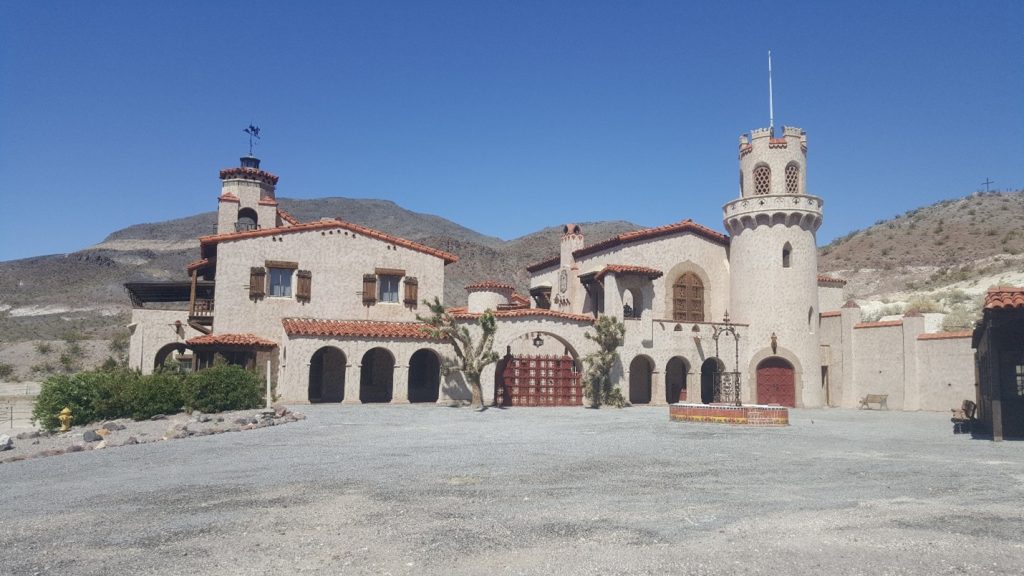
Our projects with the National Park Service take us to some pretty cool places…this is not one of them. Death Valley National Park (DEVA) holds the record for the highest recorded temperature on the face of our planet, at over 130°F! As you might imagine, it takes a lot to keep buildings comfortable in a climate like that. 360 is currently wrapping up a project in DEVA, specifically at Scotty’s Castle, where the design team replaced an outdated water source heat pump system with a full water-cooled chiller plant and hydronic boiler system. The team utilized a former stable building as a mechanical room to house boilers and chillers and routed buried piping hundreds of yards to the castle itself in tunnels built by Scotty nearly 100 years ago. The system utilizes a closed-loop cooling tower to minimize water loss while still taking advantage of the dry air’s low wet bulb temperature to reject heat from inside the castle to the ambient air far away from the building. All in all, a well-thought-out and resilient system that will provide effective and reliable cooling and heating (it does get cold in Death Valley sometimes!) for years to come, making the visitor (and Park staff) experience more enjoyable and sustainable. But the best system design can be crippled if the systems are not properly started up, tested, and deficiencies corrected before the building occupants move in—in other words, commissioning! The certified Commissioning Authorities (CxAs) at both 3601 and AE Design teamed up to visit the site, observe the system installations, and put the equipment through its paces to make sure everything is installed and operating as intended by the design team. The commissioning process began with a review of the construction documents as well as equipment submittals in order to familiarize ourselves with the systems being installed and the design intent for their function and operation. From there, we developed both pre-functional checklists (PFCs) and functional performance test protocols (FPTs). The PFCs are filled out by the installing contractor and serve as a quality control and assurance check to ensure systems have been provided and built with all necessary components for operation and are ready to be tested against the design intent and sequences of operation. Once the contractor confirms systems are ready for functional testing via the PFCs, the commissioning (Cx) team books a flight and heads to the site for testing. We check every system visually to confirm that systems and equipment match what was submitted and approved by the design team and that installed layouts match the design intent in the construction documents. We then work with the mechanical and controls contractors to test the systems using the FPT protocols previously developed. These tests include various modes of operation, such as typical occupied/unoccupied operations, generating false heating/cooling loads to make sure the boilers, chillers, various pumps, and valves all react as intended, and even simulating failure modes to make sure that redundant systems come online when needed and equipment is properly protected in the event of a real equipment or system failure in the future. The Cx team documents the installed conditions and the results of the various tests and provides a log of deficiencies to be addressed before final handover of the project to the owner. As needed, the Cx team makes additional site visits to follow up on deficiencies and make sure all systems have been observed as fully operational before issuing the final Commissioning Report. Commissioning is a vital process, particularly for complex projects and systems. The fact that our team made several trips to the site in order to complete all the testing and re-testing of systems to ensure everything is operating per the design intent and owner’s project requirements illustrates two key concepts. First, that commissioning is critical for the success of a project, as the list of deficiencies and the need for multiple trips to close out those issues clearly shows—rarely is everything installed and operating 100% correctly the first time it’s put to the test! Second, 360 and AE Design are committed to ensuring that the systems turned over to the owner are fully functional and will serve the building occupants well for years to come. It helps that we get to visit some pretty cool places—even if they’re actually rather hot! Interested in learning more about Scotty’s Castle? You should be! Check out the links below.2,3 1Wondering how 360 can be the designer and the CxA at the same time? We maintain objectivity by keeping the CxA completely uninvolved with the design team throughout the design process. Our CxAs work for the owner, either contracted directly or under the general contractor and are accountable to only them. While we obviously work together with the design team through the commissioning process, our CxAs always pursue the goal of helping the whole team achieve the owner’s project requirements and are not afraid to challenge the contractor or the design team when needed to attain that goal. 2https://www.nps.gov/deva/learn/historyculture/building-scottys-castle.htm 3https://www.dvconservancy.org/scottys-castle/
Hot Water Decoded: An Introductory Guide to Water Heaters
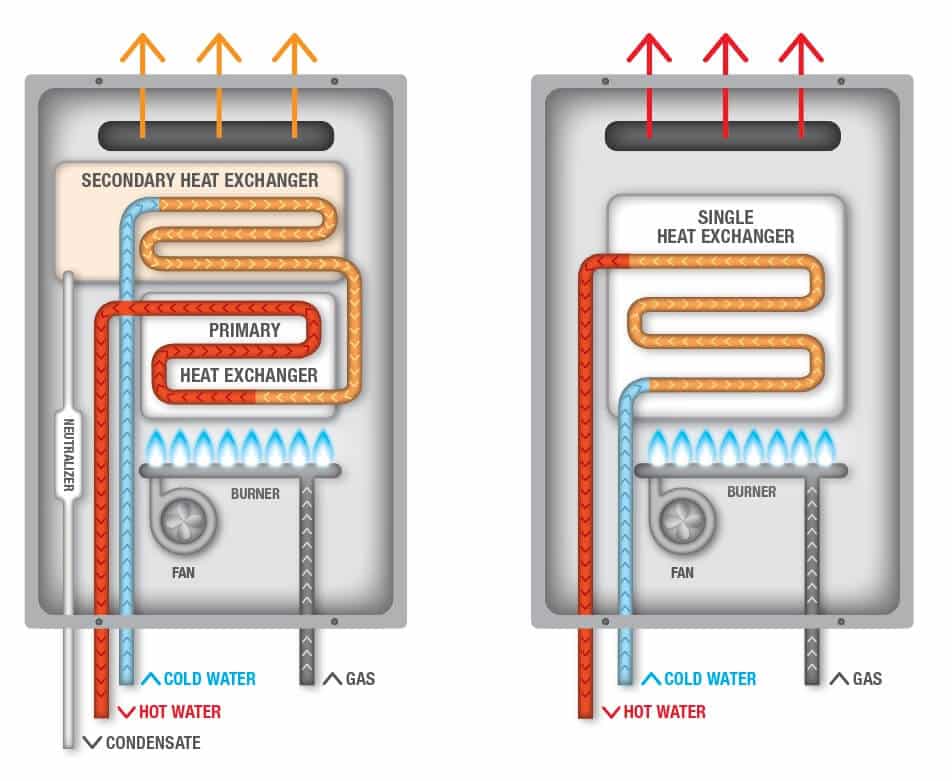
As the name suggests, water heaters are equipment that will raise water temperature. Water heaters come in many shapes and sizes but can be characterized by storage and energy sources. Storage methods are tank or tankless; the energy source is electricity or fossil fuels. Tank water heaters, also called “storage” type water heaters, hold a set volume of water that is heated through prolonged contact with the internal heating components. Tankless, or “instant,” water heaters use a much higher energy input to heat the water to the desired temperature as it flows to the fixture. There are two main ways to use electricity to heat water, one being electric resistance and the other by using the electricity to run a heat-pump refrigerant cycle. Electric resistance-style heating elements are simple and have no moving parts, but the energy output is equal to the energy consumed by the coil. Although heat-pump water heaters also use electricity to operate, they “move” heat instead of “creating” it. This process is a more efficient way of heating water, allowing heat pump water heaters to be up to 410% more efficient than an equivalent resistance style. Water heaters that use fossil fuels as the energy source are usually referred to as gas water heaters. The options for source types are most commonly natural gas or propane. Natural gas is the fossil fuel utility most often offered by service providers, while propane is usually shipped and stored in tanks on-site. Although most gas water heaters are similar, the most noticeable difference is between condensing and non-condensing style burners. When gas-fired equipment burns fuel, it doesn’t use 100% of the energy released from combustion, resulting in a mixture of unburnt fuel and water vapor. If cooled enough, the flue gases can condense on the flue vent piping, leading to corrosion. Hence, manufacturers reserve approximately 20% of the energy released to keep the flue gas temperatures high enough to prevent condensation. More modern gas-fired water heaters will utilize the condensation to put more energy into the water instead of keeping the flue vent gases hot, resulting in efficiencies up to 98%. The corrosive condensate produced by this process is handled by using resilient metals for the heat exchanger and acid-neutralization kits to ensure the condensation produced is safe for sanitary lines and treatment plants. Tank-Type Water Heaters Pros Cons Tankless Water Heaters Pros Cons Electric Resistance Water Heaters Pros Cons Heat Pump Water Heaters Pros Cons Gas-Fired Water Heaters Pros Cons